
Abies concolor, commonly known as White Fir or Concolor Fir, is a large evergreen conifer native to the mountains of the western United States and northern Mexico. This tree is appreciated for its graceful, symmetrical form, soft blue-green to silvery needles, and pleasant citrus-like scent. The needles are long, flat, and slightly curved, giving the...
Plant Propagation Guide
“Plexerus is an ongoing effort to create an extensive and detailed plant propagation guide of the most popular garden and home plants. Let's make the world greener!”
Browse plants alphabetically by botanical name
A B C D E F G H I J K L M N O P Q R S T U V W X Y Z
Recently added plants
VIEW ALL
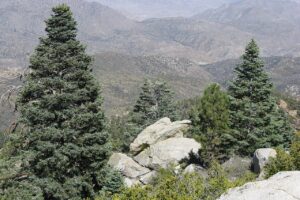
Abies Concolor – Concolor Fir
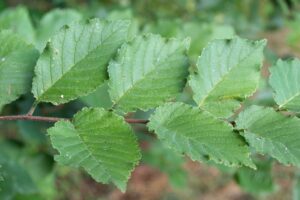
Ulmus Minor – Field Elm
Ulmus minor, commonly known as Field Elm, European Elm, or Smooth-leaved Elm, is a deciduous tree native to Europe, Western Asia, and North Africa. Known for its broad, serrated leaves and characteristic vase-shaped growth habit, Field Elm has historically been valued for its durable timber and its role in landscape aesthetics. Despite challenges such as...
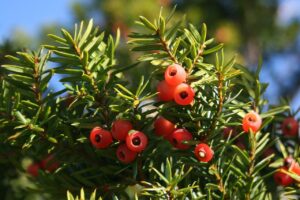
Taxus Cuspidata – Japanese Yew
Taxus cuspidata, commonly known as Japanese Yew, is a versatile and hardy evergreen conifer native to Japan, Korea, and parts of China and Russia. It is renowned for its dense, dark green foliage, attractive red berries, and adaptability to a wide range of growing conditions. Japanese Yew is often used in landscape design for hedging,...
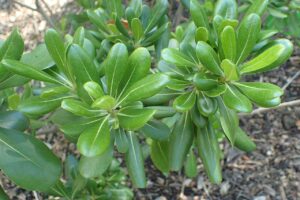
Pittosporum Tobira ‘Nanum’ – Dwarf Mock Orange
Pittosporum tobira ‘Nanum’, commonly known as Dwarf Mock Orange or Dwarf Japanese Pittosporum, is a compact, evergreen shrub highly valued for its dense, rounded form and glossy, dark green leaves. Native to Japan, Korea, and China, this dwarf variety of Pittosporum tobira is ideal for hedges, borders, and container gardening. Propagating Pittosporum tobira ‘Nanum’ can...
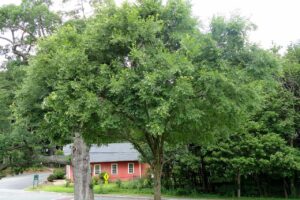
Ulmus Parvifolia – Chinese Elm
Ulmus parvifolia, commonly known as Chinese Elm or Lacebark Elm, is a deciduous to semi-evergreen tree native to China, Japan, North Korea, and Vietnam. This species is highly valued in horticulture for its attractive, exfoliating bark, small serrated leaves, and elegant, rounded canopy. Chinese Elm is remarkably adaptable and resistant to Dutch elm disease, making...
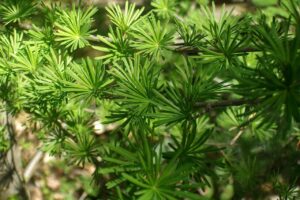
Larix Kaempferi – Japanese Larch
Larix kaempferi, commonly known as Japanese Larch, is a deciduous conifer native to Japan. This tree is highly valued for its striking appearance, featuring soft, bright green needles in spring and summer that turn golden yellow in autumn before falling. Larix kaempferi is popular in forestry, landscaping, and bonsai due to its adaptability, fast growth,...
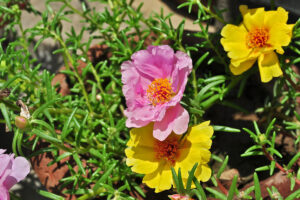
Portulaca Grandiflora – Moss Rose
Portulaca grandiflora, commonly known as Moss Rose, is a vibrant, low-growing succulent native to South America. It’s prized for its bright, multi-colored flowers and its ability to thrive in hot, dry conditions. Moss Rose is a popular choice for ground cover, rock gardens, and hanging baskets due to its trailing habit and drought tolerance. Propagating...
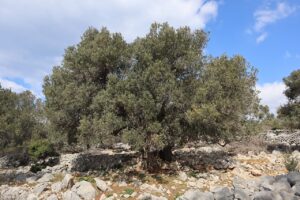
Olea Europaea – Olive Tree
Olea europaea, commonly known as the Olive tree, is a symbol of the Mediterranean region, revered for its historical, cultural, and economic significance. This evergreen tree, known for its gnarled trunk and silvery-green foliage, produces olives that are a staple in culinary traditions around the world. Propagating Olea europaea can be achieved through various methods,...
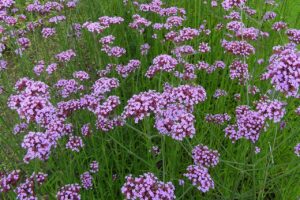
Verbena Bonariensis – Tall Verbena
Verbena bonariensis, commonly known as Tall Verbena, Purpletop Vervain, or Argentinian Vervain, is a perennial plant native to South America. Renowned for its tall, wiry stems topped with clusters of vibrant purple flowers, this species adds a striking architectural element to gardens. It is favored for its long blooming period, attractiveness to pollinators, and adaptability...
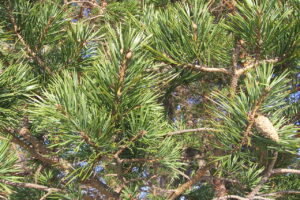
Pinus Sylvestris – Scots Pine
Pinus sylvestris, commonly known as Scots Pine, is a hardy and adaptable evergreen tree native to Europe and Asia. Recognized for its rugged appearance, long needles in bundles of two, and economic importance for timber and resin production, Scots Pine is widely cultivated for forestry and ornamental purposes. Propagating Pinus sylvestris can be achieved through...